
APPRENTICESHIP PROGRAM
Build Your Future in Electrical
At Allied Electric, we believe the key to a successful project begins with a well-trained team. That's why we are committed not only to the success of our projects, but to the ongoing development of our employees. We invest significant time and resources into professional and technical training to ensure all members of our team regardless of experience level is well equipped to excel.
In-House Training
Allied Electric operates its own fully accredited Apprenticeship Training Program through Mike Holt Enterprises. Our program has maintained full accreditation status since 2000 and is also recognized by the Bureau of Apprenticeship and Training (BAT).
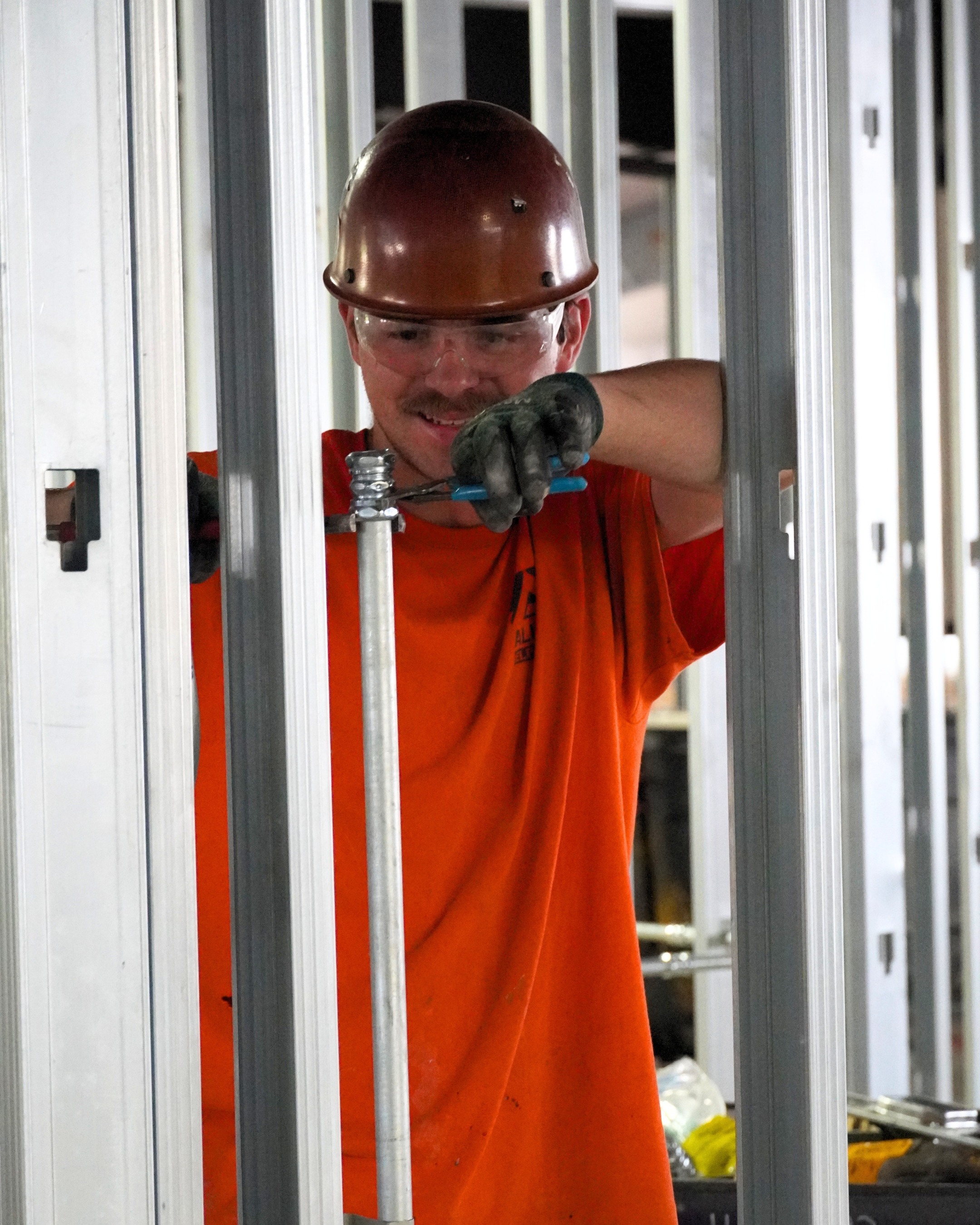
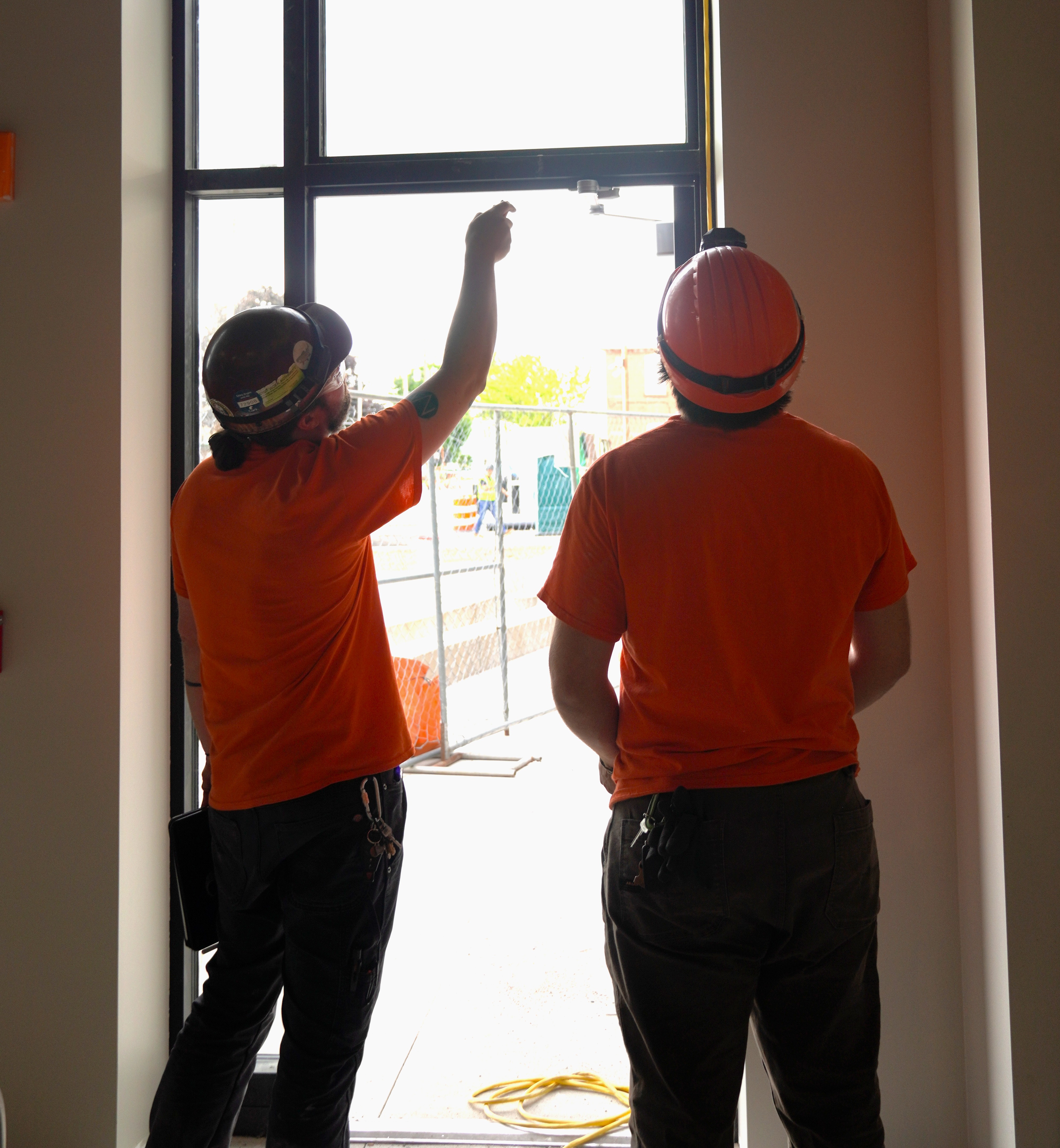
Mike Holt's curriculum is used across the nation to teach apprentices the electrical trade. Mike Holt is an accredited curriculum used across 30 different states. What sets Allied apart is the intimate hands-on training that is led by professionals who are active in the field. Apprentices often work side by side with their instructors on job sites, giving them an advantage gaining real world experience that goes far beyond textbook knowledge. With a combined experience of over 100 years, our instructors are dedicated to the next generation of electricians.
Program Details
Duration
Four-year program
Training Hours
8,000 on-the-job hours
4,000 classroom hours
Schedule
Minimum 40 hours/week on the job
4 hours of weekly classroom instruction, from 4–8 p.m., following a September–May academic calendar
Location
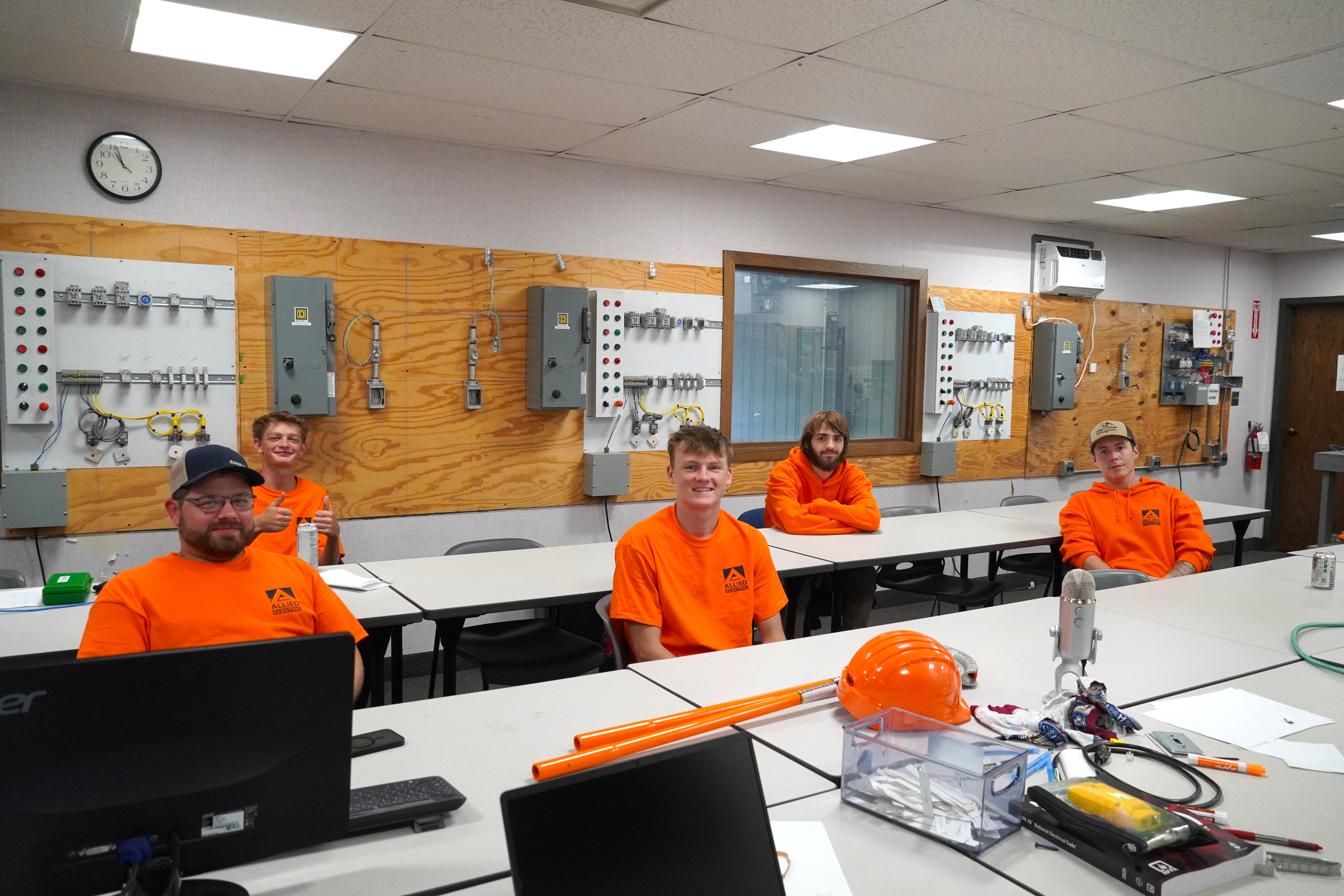
On-site at Allied Electric's dedicated training center, which includes a fully equipped electrical lab
Cost
Apprentices are only responsible for the cost of books (~$200), which is payroll-deducted
First 4 Years Breakdown
Year One
In the first year of the electrical apprenticeship, the focus is on building a strong foundation. Apprentices learn to be effective team players, absorb basic electrical theory, become familiar with a range of tools and when to use them, learn how to bend conduit, and prioritize electrical safety.
Year Two
In the second year, apprentices advance their pipe bending skills and dive into advanced electrical theory. They gain a deeper understanding of the National Electrical Code, enhance their ability to read blueprints, and begin learning and installing increasingly complex electrical systems.
Year Three
In the third year, apprentices focus on troubleshooting techniques and work more independently. They learn advanced wiring methods, explore motor controls, and take on tasks such as setting up branch circuits, diagnosing issues, and testing systems.
Year Four
In the fourth year, apprentices specialize in motor controls, gaining a thorough understanding of the wiring and operation of motors, drives, and programmable logic controllers. They also dedicate time to deepening their knowledge of the National Electrical Code, refining leadership skills, guiding newer apprentices, and preparing to step confidently into their role as journeymen.